
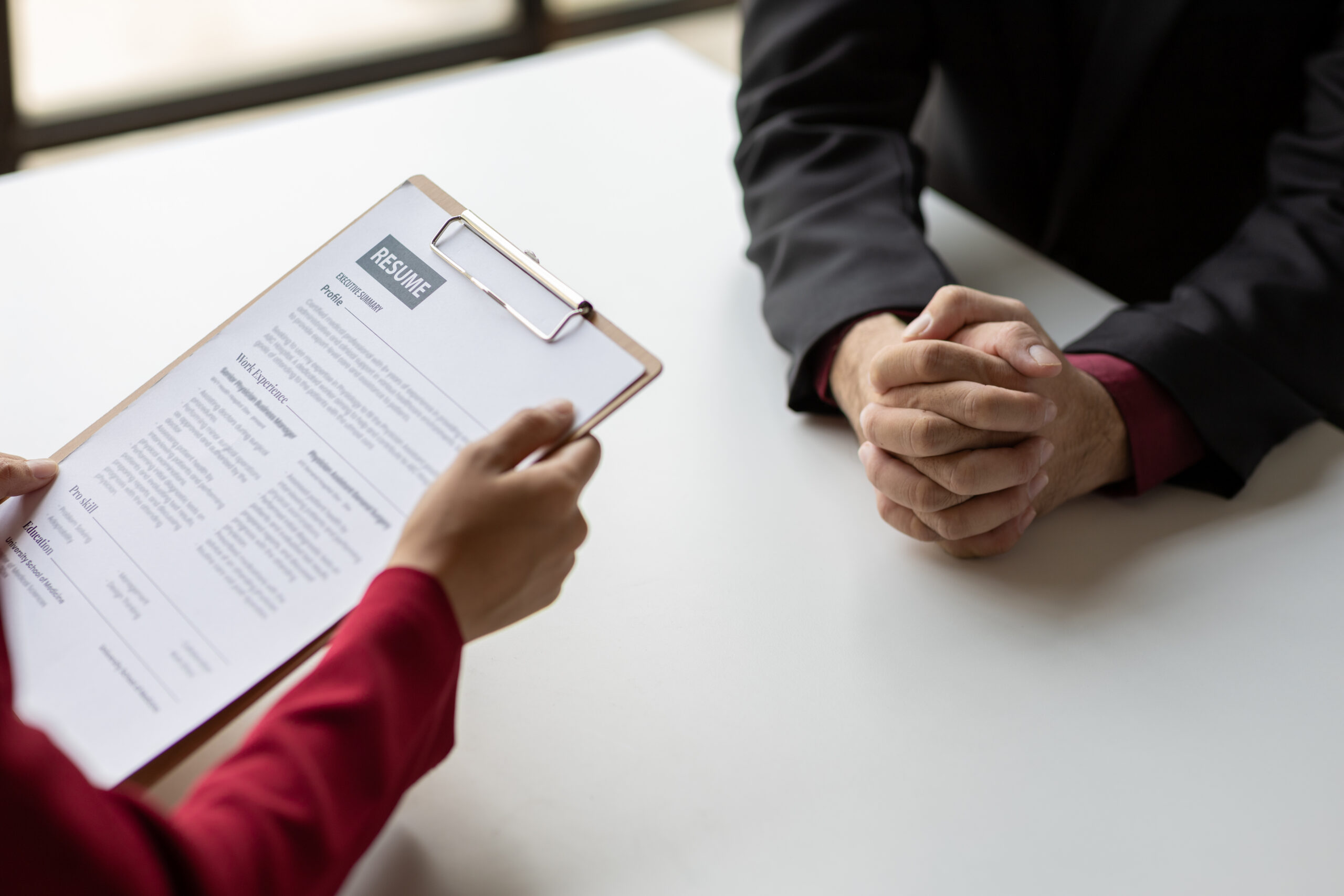
Learn the preparation and practices that leave a lasting impression on employers
You can have a strong resume and solid qualifications, but the interview is where employers decide whether you’re the right fit for the role and the organization.
The interview is where hiring decisions actually get made, and for many candidates, especially those going through their first job interview, it’s also where the most preventable mistakes happen.
The following job interview tips won’t guarantee you an offer. They will, however, put you in a much stronger position than most candidates walking into the same room.
Preparation Tips Before the Interview
While some interview nerves are normal, preparation can help you feel more confident and perform at your best.
Here are some first job interview tips to help you prepare better:
- Know the company: Review their website, recent news, and LinkedIn page. Understand what they do, who their customers are, and any recent developments worth mentioning. You don’t need to be an expert; you just need to show genuine interest and a basic understanding of the organization.
- Understand the role: Read the job description carefully and identify the skills, qualifications, and responsibilities the employer values most. Then, prepare specific examples from your experience that demonstrate how you’ve developed those skills and can contribute to the role.
- Practice out loud: Rehearsing answers in your head isn’t the same as saying them. Practice with a friend, record yourself, or simply talk through your answers aloud. It helps with pacing, clarity, and confidence.
- Prepare your own questions: Having two or three thoughtful questions ready shows that you’re genuinely evaluating the role, not just hoping to get it.
- Sort out the logistics: Make sure you know where you’re going, how long it will take to get there, and who you’ll be meeting. For virtual interviews, test your camera, microphone, internet connection, and meeting platform ahead of time to avoid last-minute technical issues.
How You Communicate Matters as Much as What You Say
Many interview preparation guides focus on what to say and how to structure your answers. While those things matter, employers are also paying close attention to how you deliver your responses.
Here’s how to communicate better during the interview:
- Be concise: Avoid long, rambling answers that can dilute your message. If you’re using the STAR method (Situation, Task, Action, Result), keep each section focused and relevant. Most answers can be delivered effectively in one to two minutes.
- Listen actively: Give the interviewer your full attention and avoid rushing to respond before they’ve finished speaking. If a question is unclear, ask for clarification rather than making assumptions.
- Be direct: Early-career professionals often downplay their strengths with phrases like “I think” or “maybe.” Speak confidently about your experiences and contributions, even if you’re feeling nervous.
- Watch your body language: Sit upright, maintain natural eye contact, and avoid distracting habits such as fidgeting. In virtual interviews, look at the camera when speaking to create a stronger sense of connection.
Pro-Tip:
What the STAR method looks like:
Question: “Tell me about a time you handled a difficult customer.”
- Situation: A customer was frustrated because their order was delayed.
- Task: My responsibility was to resolve the issue and maintain a positive customer experience.
- Action: I apologized, explained the cause of the delay, provided updates, and offered a solution.
- Result: The customer appreciated the communication and remained with the company.
The STAR method helps you provide clear, organized answers while demonstrating your skills and impact.
Professional Etiquette During the Process
Professionalism extends beyond the interview itself. The way you present yourself, communicate, and interact with others throughout the hiring process can leave a lasting impression on potential employers.
Here are some simple but important ways to demonstrate professionalism throughout the hiring process:
- Arrive early, not just on time: For in-person interviews, plan to arrive five to ten minutes before your scheduled time. Building in extra time can help you avoid unnecessary stress and demonstrate reliability.
- Dress appropriately: If you’re unsure about the dress code, it’s usually better to be slightly overdressed than underdressed. A polished appearance helps create a positive first impression and shows that you take the opportunity seriously.
- Be polite to everyone: Treat every interaction with anyone in the company as part of the interview process. Receptionists, assistants, and other staff members often contribute to a candidate’s overall impression, so show the same respect and professionalism you would extend to the hiring manager.
- Send a thank-you note: A brief and personalized email within 24 hours of the interview can help reinforce your interest in the role. Mention something specific from the conversation to make your message more memorable and genuine.
Common Interview Mistakes to Avoid
Knowing what not to do is just as useful as knowing what to do. These are the most common pitfalls, especially for first-time interviewees:
- Speaking negatively about past employers: Criticizing a former employer can make you appear unprofessional, regardless of whether your concerns were valid. Instead of dwelling on what went wrong, focus on the lessons you learned and the positive steps you took to address the situation.
- Showing up unprepared: Generic statements like “I’m a hard worker” or “I’m a team player” carry little weight without examples. Be ready to share specific experiences that demonstrate your skills and accomplishments.
- Skipping company research: Failing to understand what a company does, who it serves, or what the role involves can make it seem like you’re not genuinely interested in the opportunity.
- Underselling yourself: Many early-career candidates minimize their contributions or hesitate to talk about their achievements. Be honest about your experience, but don’t be afraid to highlight the value you’ve brought to projects, teams, or organizations.
- Neglecting to follow up: Many candidates skip this step entirely. A brief thank-you email can reinforce your interest in the role, demonstrate professionalism, and help keep you top of mind as hiring decisions are being made.
A Note on First Job Interviews
If this is your first job interview, remember that employers aren’t expecting you to have years of experience or perfect answers. For entry-level roles, they’re often looking for qualities such as curiosity, professionalism, a willingness to learn, and the ability to communicate effectively.
Focus on what you can control: prepare thoroughly, research the company, and be ready to discuss your experiences honestly and confidently. Interviewers understand that you may be nervous, especially if you’re new to the process.
It’s also perfectly acceptable to take a moment to think before answering a question. A brief pause shows thoughtfulness and composure, whereas rushing to respond can make your answer less clear and focused.
Final Thoughts
A good interview isn’t about being perfect; it’s about being prepared, present, and professional. Most candidates don’t lose offers because they’re underqualified. They lose them because they didn’t prepare thoroughly, communicated poorly, or made avoidable etiquette mistakes.
Get those fundamentals right, and you’ll be ahead of more candidates than you’d expect.
Quick Recap from Job Interview Tips: How to Make a Lasting Impression on Employers
- Preparation is everything; research the company, understand the role, practice your answers out loud, and sort out logistics before the day of the interview.
- How you communicate matters as much as what you say; be concise, listen actively, speak confidently, and watch your body language.
- The STAR method (Situation, Task, Action, Result) is a simple framework that keeps your answers clear, focused, and relevant.
- Professionalism runs through the entire process; arrive early, dress appropriately, treat everyone with respect, and send a thank-you email within 24 hours.
- For first-time interviewees, employers aren’t expecting perfection; they’re looking for curiosity, professionalism, and a willingness to learn.
Follow Elite Executives for more.
Elite Executives is a sales and marketing firm in Phoenix, Arizona, specializing in customer acquisition and other brand growth solutions for Fortune 500 clients. We help brands expand their reach through face-to-face outreach campaigns and more.
We also offer career opportunities for driven professionals looking to grow in sales and marketing. Visit Elite Executives to learn more about our growth opportunities.